Avoid your inquiry is delay response, please enter your WhatsApp/Skype along with the message, so we can contact you at the very first time.
We will reply you within 24 hours. If for urgent case, please add WhatsApp/WeChat:
Warning: Undefined variable $public in /www/wwwroot/yuelinhengtong.hyhdemo.top/wp-content/themes/hyhadmin/header.php on line 313
Warning: Trying to access array offset on value of type null in /www/wwwroot/yuelinhengtong.hyhdemo.top/wp-content/themes/hyhadmin/header.php on line 313
,. Or call
Warning: Undefined variable $public in /www/wwwroot/yuelinhengtong.hyhdemo.top/wp-content/themes/hyhadmin/header.php on line 313
Warning: Trying to access array offset on value of type null in /www/wwwroot/yuelinhengtong.hyhdemo.top/wp-content/themes/hyhadmin/header.php on line 313
directly.
Mascara seems like an easy add-on—until your lash extension starts clumping, feels heavy, and sheds early. Then you’re stuck with messy cleanup and shorter wear time. The solution is simple: use the right mascara (or skip it), apply it the right way, and remove it gently with oil-free habits that protect the adhesive bond.
Yes, you can wear mascara with lash extensions, but only in limited situations and with the right products. Most regular or waterproof formulas and oil-based removers can weaken lash adhesive, cause clumps, and make extensions fall sooner. If you must use mascara, choose an extension-safe, oil-free, water-based formula, apply only to the tips, and remove it carefully without rubbing.
Why do people want to wear mascara with eyelash extensions in the first place?
Is lash extension safe with mascara, or should you avoid mascara?
What kind of mascara works best: oil-free mascara, water-based, or waterproof?
How to apply mascara without damaging your eyelash extension and natural lash?
Where should you never put mascara: lash line risks, clump, and buildup
What about volume lash and classic lash extensions—does mascara change the lash look?
Eyeliner and eye makeup: what makeup products are safe for eyelash extensions?
Removing mascara: the safest remover routine (oil-free, cleanser, and cotton swab)
Why extensions fall early: the real retention killers (adhesive, oils, friction)
B2B buyer checklist: choosing extension-safe mascara and lash extension products for wholesale and private label
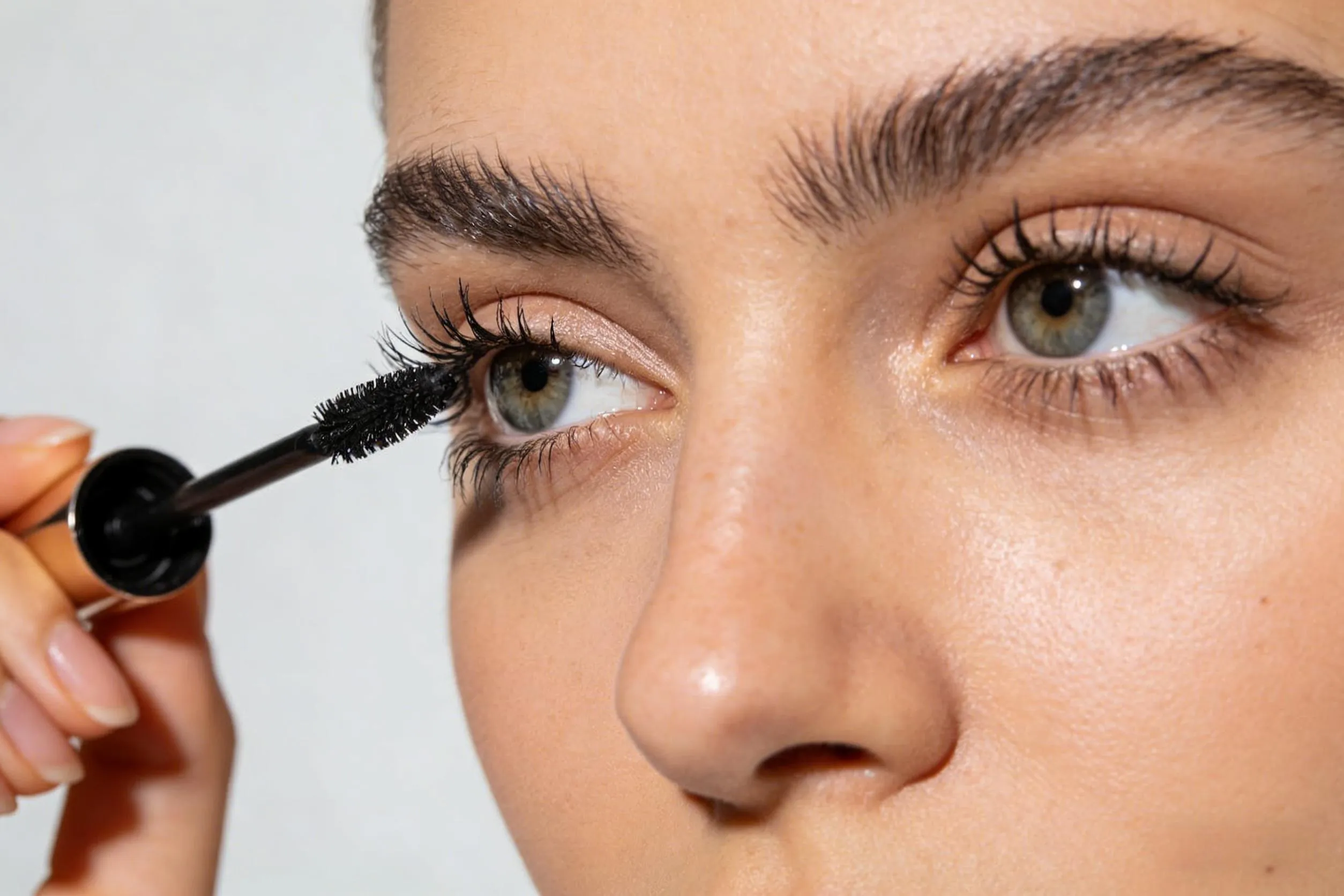
Let’s be real: lash extensions already look great. So why add mascara? Most clients want one of three things: more depth at the tips, a slightly darker finish, or a last-minute “camera-ready” boost for a big day.
I hear this a lot from salons and DTC brands: “My client loves her lash extension, but she still wants a tiny bit more.” That’s normal. Some people also want mascara on bottom lashes for balance, especially for photoshoots and bridal work.
As a high-quality eyelash products manufacturer and exporter based in China, we support global partners across beauty supply and professional channels. The biggest pattern we see is this: when customers understand how mascara interacts with the lash adhesive, they make better choices—and their lashes look cleaner for longer.
Here’s the honest answer: lash extension safe depends on the formula and the habit.
Many lash artists and aftercare guides advise minimizing or skipping mascara because buildup can snag the lash extension, increase friction during cleaning, and shorten wear time. That’s one reason some salons keep a “no mascara” rule.
So, do you have to avoid mascara? Not always. But you should treat mascara as an occasional tool, not a daily habit—especially if you wear volume sets.
My practical rule:
If you have a full set and love the lash look → skip mascara
If you’re between fills and need a quick lift → use extension-safe mascara lightly on tips only
If you wear volume lash extensions → mascara often closes lash fans and creates a heavy, spiky look (not ideal)
Also, eye health matters. The American Academy of Ophthalmology advises applying eye makeup outside the lash line to avoid blocking oil glands. That guidance becomes even more important when you’re wearing lash extensions.
This is the key buying decision. Most problems come from two things:
oil-based ingredients that weaken bonding
waterproof formulas that are hard to remove
Some lash education and aftercare sources warn that waterproof or long-wear mascara can break down the adhesive and shorten retention—mainly because removal requires friction or oil-based removers.
oil-free mascara labeled extension-safe
water-based mascara with a light, non-building texture
Avoid heavy fiber/tubing formulas if they require rubbing to remove
avoid waterproof mascara (yes—this is the #1 rule)
Why? Because to remove waterproof mascara, people usually scrub or reach for oily removers—both can weaken the adhesive bond and cause premature shedding.
Quick table: Mascara compatibility with lash extension
| Mascara type | Extension friendly? | Why it helps/hurts |
|---|---|---|
| Extension-safe, oil-free | ✅ Best | Less residue, easier cleaning |
| Water-based light mascara | ✅ Good | Minimal buildup, simpler removal |
| Heavy volumizing / fiber | ⚠️ Risk | Can clump and be difficult to take off |
| Waterproof mascara | ❌ No | Removal often needs oils or rubbing |
If you’re choosing the right mascara, think like a lash tech: lighter, cleaner, easier to remove.
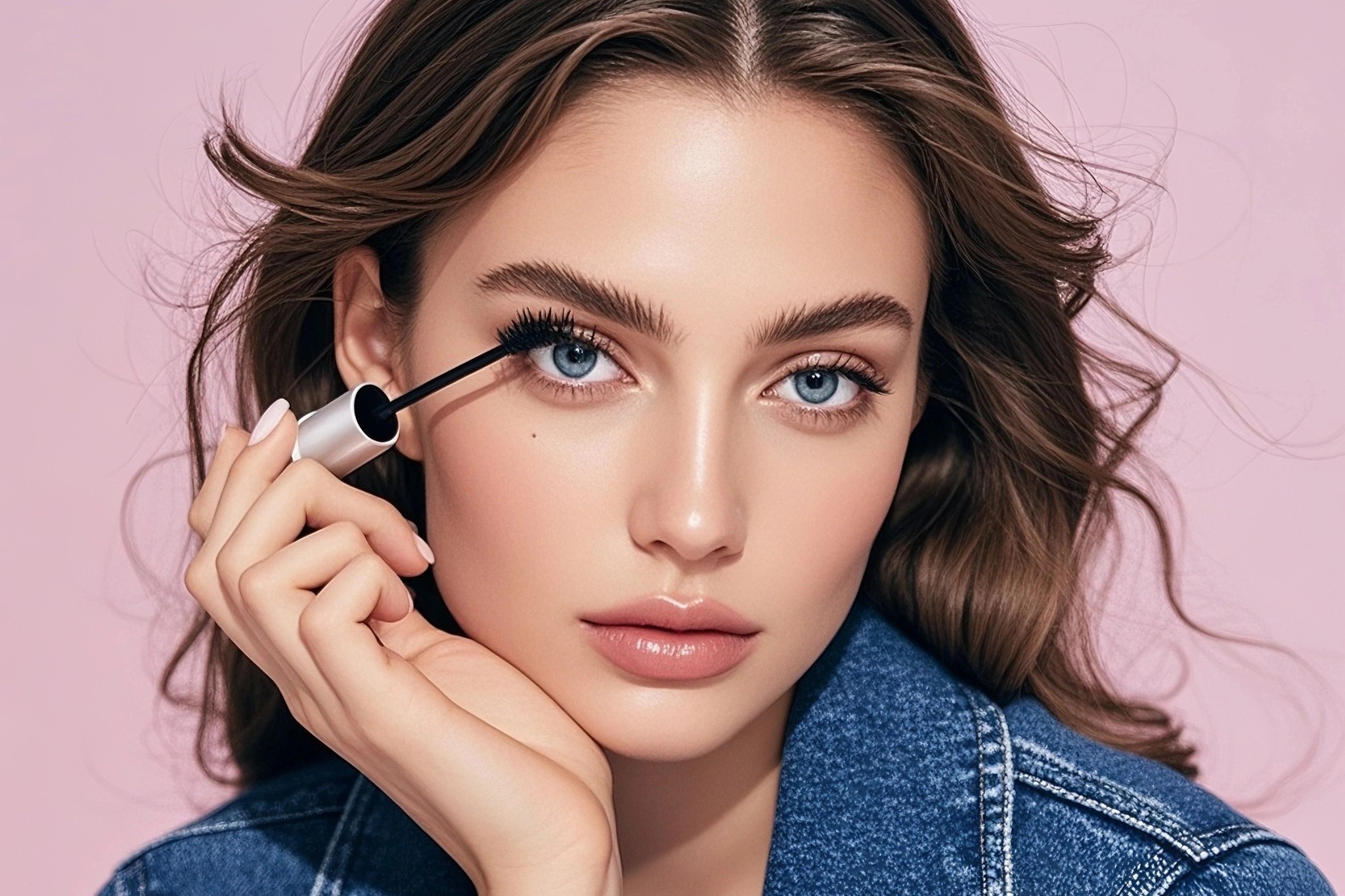
If you’re going to apply mascara, technique matters as much as formula. The goal is to keep the base clean so you don’t load product into the bonding area.
Here’s the safest method I recommend to salons and end users:
Brush first with a clean spoolie (this keeps lashes separated).
Wipe excess product off the mascara wand (less is more).
Apply a very light coat—think “mist,” not “paint.”
Touch only the tips of the lash extension (avoid the base).
Stop before you feel resistance (that’s how clumps start).
This approach helps reduce excess product and prevents a sticky base that attracts dust. It also helps you keep the set natural-looking instead of overly spiky.
If you’re wearing lash extensions for the first time, you might not need mascara at all. Wearing lash extensions already gives that “defined” look—mascara is optional, not required.
If there’s one place you should protect, it’s the lash line.
Here’s why: eyelash extensions are bonded near the natural lash base. If you put mascara at the base, product mixes with skin oil and creates buildup. That buildup is hard to clean and can force you to rub—exactly what we don’t want.
The AAO recommends applying makeup outside the lash line to reduce risk of blocking oil glands. That advice matches what lash artists see every day: keep the base clean and you keep the set neat.
Also, mascara can clump. A clump is not just ugly—it becomes a “hook” that catches on towels and pillows. That’s how extensions fall earlier than expected.
Rule of thumb: never “root-to-tip” mascara on extensions. If you must, do “tip-to-tip.” One soft coat of mascara is plenty.
Yes, a lot.
classic lash extensions already mimic mascara-like definition. Many clients say they look “ready” without any extra makeup.
volume lash sets are made of multiple fine lash fans. Mascara can close lash fans, turning fluffy volume into sticky spikes.
So if you want a dramatic look, choose a fuller lash map or a denser set—not more mascara.
Here’s a quick guide I share with B2B partners:
| Lash set | Mascara compatibility | Best use case |
|---|---|---|
| Classic eyelash extensions | Sometimes ok (tips only) | Light extra darkness for events |
| Volume lash extensions | Often not recommended | Keep fans fluffy and clean |
| Hybrid or volume | Very limited use | Only for tips, very light |
If you’re planning “new lashes” for a campaign, it’s usually smarter to customize the lash style rather than teach customers to pile on mascara.
Mascara isn’t the only product that affects retention. Eye makeup can create residue that sticks to lashes and needs aggressive cleaning.
A safe strategy:
Choose oil-free eye makeup where possible
Use liquid or gel eyeliner that doesn’t crumble into the lashes
Avoid waxy pencil eyeliner that leaves thick residue near the lash line
This isn’t just a beauty tip—it’s a retention strategy. If makeup flakes into the set, cleaning becomes harder, and friction rises.
Also, be careful with false lashes, strip lashes, and a lash band when you already have extensions. You might not use them together, but some consumers try. The extra adhesive and band friction can snag extensions and damage your natural lash.
Most damage happens during removal. Not during application.
The Allure guide (with dermatologist input) includes a specific note for eyelash extensions: avoid oil-based removers because they can dissolve adhesive and cause premature shedding, and use oil-free, lash-safe removers instead.
Here’s a gentle routine that works:
Removing mascara (extension-friendly)
Use an eye makeup remover that is oil-free (or a foaming cleanser).
Press and hold for 10–15 seconds—no scrubbing.
Wipe downward softly.
Use a cotton swab for the corners and along the lash line (light touch).
Rinse, then wash with a lash cleanser (daily cleaning helps).
Brush with a clean spoolie.
This is the safest method for removing mascara without damaging the bond. It also keeps your lash set from turning into a sticky mess that’s difficult to clean.
If you’re asking “why is it so difficult to take off?”—that’s usually a sign your mascara choice is wrong (too heavy, too stubborn).
Let’s talk about what actually breaks retention, because this is where your customers either love you—or churn.
Most premature shedding comes from:
oil-based skincare around the eyes
rubbing or sleeping face-down
heavy makeup buildup
harsh removal
poor daily cleaning
Some lash care guidance warns that oil weakens the bond of the adhesive. And many resources explain that waterproof mascara removal often requires oil or vigorous rubbing—both shorten the life of the extensions.
In short, oil can break down the adhesive and friction can snap the bond.
Also, remember the structure: eyelash extensions are bonded to a natural lash, not the eyelid. Extensions are bonded to natural lash fibers, so if you tug or scrub, you can damage your natural lashes over time.
That’s why we teach: gentle cleaning, soft makeup, and smart product choices. It’s not complicated—but you do need to be extra careful.
Now the “Action” part of AIDA. If you’re a wholesaler, salon chain, DTC brand, or training academy, you don’t just want a product. You want fewer complaints, fewer returns, and more repeat buys.
As a China-based exporter, we support private label lines with consistent quality, scalable production, and packaging customization. We also help partners develop “aftercare kits” that reduce retention issues—because that’s how brands protect reviews.
What to include in an extension-safe mascara + aftercare kit
extension-safe mascara (light texture, low residue)
lash-safe cleanser (foaming)
spoolie + extra wands
oil-free remover guidelines card
gentle applicators (no lint)
Can you put mascara on eyelash extensions?
Yes, but only lightly and only with an extension-safe, oil-free formula. Apply to the tips, avoid the lash line, and clean gently. Many pros still prefer skipping mascara to keep lashes fluffy and clean.
Is it safe to wear mascara with eyelash extensions every day?
Daily mascara usually increases buildup and makes cleaning harder. That can reduce retention and cause premature shedding. If you want stronger results, choose a fuller lash set instead of adding mascara daily.
What mascara should I avoid with lash extensions?
Avoid heavy formulas and waterproof mascara because removal often requires oils or rubbing, which can weaken the bond.
Can I use eyeliner with lash extensions?
Yes. Use oil-free options and avoid thick, waxy liners that leave residue near the lash line. Keep the base clean and cleanse daily.
How do I remove mascara without damaging lash extensions?
Use an oil-free remover or foaming cleanser, press and hold, wipe gently downward, and finish with lash cleanser. Avoid tugging and cotton pads that snag.
Do lash extensions replace mascara?
For most people, yes. Lash extensions already lengthen and define the lash. Mascara helps only when you want a small extra boost—usually at the tips.
You can wear mascara with lash extensions, but it’s best as an occasional choice—not a daily habit.
Choose oil-free mascara or a light water-based mascara formulated for extensions; heavy formulas cause clump and buildup.
Avoid waterproof formulas because removal often needs oil-based removers or rubbing, which shortens retention.
Never load mascara at the lash line; keep the bonding area clean (AAO also advises applying makeup outside the lash line).
The safest routine is gentle cleansing + careful removal + daily brushing with a spoolie.
For B2B brands, the best results come from bundling lash products with aftercare education—fewer complaints, better reviews, and stronger reorder rates.
If you tell me your target channel (salon wholesale, DTC, or drugstore retail) and your preferred positioning (natural vs dramatic), I can outline a private-label product line plan: lash extension styles, extension-safe mascara specs, aftercare kit bundle, and packaging/MOQ strategy.

 English
  Spanish
  German
  French
  Arabic