Get a Quote ×

Avoid your inquiry is delay response, please enter your WhatsApp/Skype along with the message, so we can contact you at the very first time.

    We will reply you within 24 hours. If for urgent case, please add WhatsApp/WeChat:
    Warning: Undefined variable $public in /www/wwwroot/yuelinhengtong.hyhdemo.top/wp-content/themes/hyhadmin/header.php on line 313

    Warning: Trying to access array offset on value of type null in /www/wwwroot/yuelinhengtong.hyhdemo.top/wp-content/themes/hyhadmin/header.php on line 313
    ,. Or call
    Warning: Undefined variable $public in /www/wwwroot/yuelinhengtong.hyhdemo.top/wp-content/themes/hyhadmin/header.php on line 313

    Warning: Trying to access array offset on value of type null in /www/wwwroot/yuelinhengtong.hyhdemo.top/wp-content/themes/hyhadmin/header.php on line 313
    directly.

    15/01 2026

    The Future of Lashes: Key Trends and Product Directions for 2026

    The lash industry is undergoing a significant transformation heading into 2026. This evolution is not driven by fleeting social media fads, but by fundamental shifts in consumer values, technological advancements, and a growing emphasis on product safety and sustainability. For lash brand owners, OEM buyers, and e-commerce sellers, understanding these market drivers is critical for strategic planning. Anticipating these changes is no longer optional; it is essential for developing a product portfolio that will meet future demand and maintain market relevance.

    This analysis provides a comprehensive overview of the dominant trends shaping the lash category, offering a strategic framework for product development, sourcing, and market positioning in 2026 and beyond.

    1. The 2026 Lash Forecast: The Ascendancy of Natural Aesthetics

    The overarching theme for 2026 is a decisive move away from overly dense and dramatic lash looks toward styles that prioritize subtlety and personal expression. This “skinification” of the lash category places emphasis on enhancing natural features rather than masking them. This consumer preference impacts every product vertical, from professional extension applications to at-home cosmetic lash items. The market now demands products that are not only visually appealing but also lightweight, comfortable, and aligned with a healthier, more conscious approach to beauty.
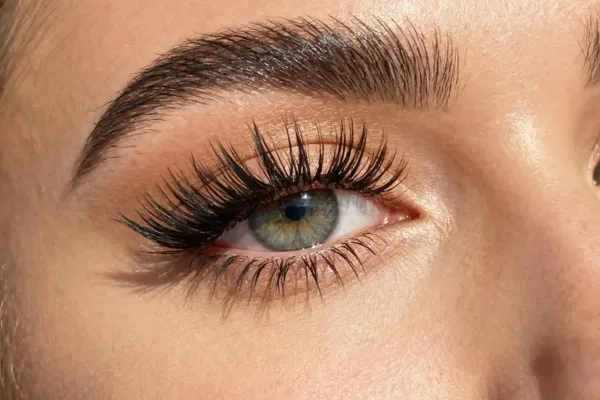
    The 2026 Lash Forecast: The Ascendancy of Natural Aesthetics

    The 2026 Lash Forecast: The Ascendancy of Natural Aesthetics

    2. Eyelash Extension Trends: Prioritizing Realism and Customization

    The perception of professional sets as uncomfortable, artificial, or damaging has been a significant barrier to market entry for many consumers. This is often due to outdated techniques and materials that result in a stiff, heavy appearance.

    Brands that continue to focus their inventory solely on high-density, uniform mega-volume styles risk becoming irrelevant. The modern consumer is discerning, seeking out technicians and brands that offer sophisticated, tailored lash looks. Industry estimates suggest the global market for these services will continue to grow steadily, and capturing this growth requires an updated product offering.

    The strategic response is to diversify inventory with modern extension styles that meet the demand for comfort and realism. This involves sourcing a wider range of materials, curls, and lengths that allow for true customization.

    • The Rise of Feathered and Textured Looks: The most sought-after eyelash extensions are now non-uniform, textured styles. These wispy lashes utilize a mix of lengths and curls to create a soft, feathery effect that closely mimics natural lash patterns, including popular variations like hybrid and classic feathered looks.
    • Soft Volume and Hybrid Sets: The demand for volume has not disappeared, but it has evolved. “Soft volume” utilizes lightweight fans to build density without compromising comfort. Hybrid lashes, a strategic blend of classic and volume application techniques, offer a balanced, texturally rich appearance that has become a market staple.
    • Hyper-Customization as a Standard: One-size-fits-all mapping is obsolete. Skilled artists now design lash applications based on individual client eye shapes, bone structure, and lifestyle. For brands, this translates to the need for a comprehensive inventory of curls (e.g., C, CC, D, L, M) and lengths (from 6mm to 16mm+) to facilitate this level of personalization.
    • Subtle Color Integration: While black remains dominant, the demand for colored eyelash extensions is growing, particularly for brown eyelash extensions. These offer a softer, less stark contrast, which is highly appealing to clients with fair complexions. Subtle pops of color, such as deep burgundy or navy, are also emerging as a niche customization option.

    3. Mascara Innovations: Performance Meets Formulation Science

    Traditional mascaras often present consumers with a choice between performance (volume, length) and comfort (non-clumping, easy removal). Waterproof formulas, in particular, can be difficult to remove and may lead to natural lash damage over time.

    As consumer knowledge grows, so does intolerance for underperforming products. Brands whose formulas smudge, flake, or require harsh makeup removers will see declining customer loyalty. The market is being reshaped by formulation innovations from a range of brands, including established players like Lancôme and disruptive newcomers.

    The future of lash-enhancing cosmetics lies in hybrid formulas that deliver aesthetic results while simplifying use and incorporating beneficial ingredients.

    • The Dominance of Tubing Mascaras: Tubing mascara technology is a key innovation. Instead of painting the lash, these formulas form water-resistant, polymer “tubes” around each one. This provides exceptional smudge-proof wear and allows for effortless removal with only warm water and gentle pressure, a significant selling point for health-conscious consumers. Some well-known brands in this category include Hourglass and ILIA.
    • The “Skinification” of Lash Formulas: The trend of incorporating skincare-grade ingredients is now standard. Consumers actively look for lash-coating formulas containing ingredients such as peptides, biotin, panthenol, and hyaluronic acid. These ingredients help condition and strengthen natural lashes, transforming mascara from a purely cosmetic item into a multi-functional product.
    • Demand for Specialized Formulas: The market will continue to segment, requiring brands to offer:
      • Length and Definition Formulas: Characterized by slim, precise applicators.
      • Buildable Volume Formulas: Allowing for multiple coats without clumping.
      • Clean and Sustainable Formulas: Vegan, cruelty-free, and packaged in recycled or recyclable materials.

    4. Natural Fullness: The Growth of Serums and Lifts

    A large segment of the market desires longer, fuller natural lashes but is hesitant to commit to the maintenance or cost of extensions. However, consumers are often wary of the potential side effects of growth-promoting treatments and the perceived damage from chemical services.

    Brands offering lash serum products without transparent ingredient lists or clear usage instructions will struggle to build trust. Similarly, outdated lash lift systems that result in overly curled or brittle lashes damage consumer confidence in the entire category.

    Success in this segment requires a focus on safety, efficacy, and transparency. Brands must offer scientifically-backed products that deliver visible results while educating the consumer.
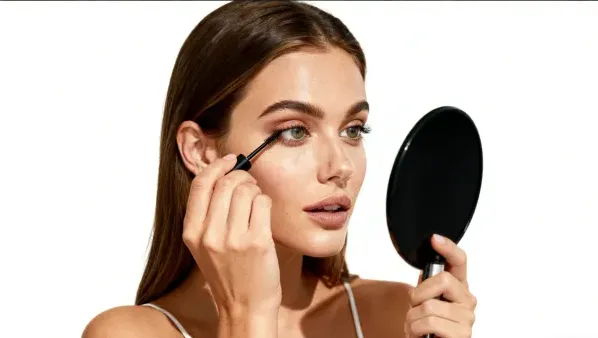
    • Efficacy in Eyelash Growth Serums: The market for follicle-nourishing formulas is expanding rapidly. Market research indicates this segment will continue to grow steadily through the next decade. Key ingredient categories include:
      • Peptide-Based Conditioners: These use amino acid chains to support the natural lash cycle. Brands such as The Ordinary and RevitaLash are often cited as examples.
      • Prostaglandin Analogues: Found in products like Latisse and GrandeLASH-MD, these offer more dramatic results but require careful consumer education regarding potential side effects. Offering a prostaglandin-free lash serum is now a crucial portfolio component.
    • The Modernization of the Lash Lift: The lash lift service is a primary alternative to extensions. The market trend is moving toward:
      • The “Micro-Lift”: A technique providing a subtle, natural-looking lift from the base of the lash, avoiding the unnatural “C” curl of older methods.
      • Keratin-Free Formulations: A shift toward conditioning, nourishing systems that restructure the lash bond without the use of potentially drying ingredients like keratin.
    The Growth of Serums and Lifts

    The Growth of Serums and Lifts

    5. The Conscious Consumer: The Impact of Sustainability and Clean Beauty

    Consumers are increasingly making purchasing decisions based on a brand’s ethical and environmental standards. A lack of transparency in sourcing, testing, or ingredients can be a significant liability.

    Brands that fail to adapt to this demand will be perceived as outdated and untrustworthy. This “conscious consumerism” affects everything from the choice between mink vs. silk vs. synthetic lashes to the materials used in a product’s lash box.

    Brands must integrate clean and sustainable practices into their core operations. This is no longer a niche preference but a mainstream expectation. This includes offering cruelty-free lash products, clearly labeling vegan lash serum options, and investing in eco-friendly lash packaging. Sourcing partners must be able to provide documentation on ethical lash sourcing and material composition.

    6. Tech and DIY Lashes: The Democratization of Application

    The cost and time commitment of professional salon visits are prohibitive for many consumers. While at-home solutions have existed for years, they were often difficult for beginners to apply successfully.

    Poorly designed DIY lash solutions lead to customer frustration and negative reviews. A difficult-to-use adhesive or a confusing lash clusters kit can permanently turn a consumer away from a brand.

    The most significant market disruption is the rise of user-friendly, high-performance at-home systems. Brands must focus on creating intuitive products that deliver a professional-looking result.

    • The Rise of Segmented Lash Systems: Cluster lashes are the fastest-growing at-home category. These pre-mapped segments are easier to apply than traditional strip lashes and offer a more seamless, customizable result. Successful brands are selling complete systems that include segmented lashes, a bond-and-seal adhesive, and a remover.
    • Innovation in Adhesives and Tools: The quality of the best glue for cluster lashes is paramount. Consumers expect long-lasting, non-irritating formulas. Similarly, ergonomic tools like a high-quality eyelash applicator and lash tweezers are essential components of a successful at-home kit.
    • Technology Integration: The future of retail includes augmented reality for trying on lashes. AI-powered tools will offer personalized recommendations for eyelash extensions styles, further blurring the line between professional consultation and at-home shopping.

    7. What These 2026 Lash Trends Mean for Brands and OEM Buyers

    Understanding these trends is the first step; translating them into actionable business strategy is the next. For brand owners and product developers, these shifts have direct implications for operations.
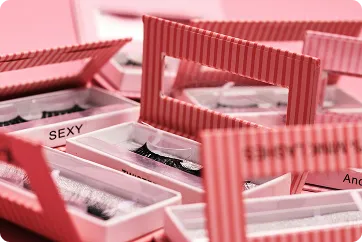
    • Impact on Product Structure:
      1. Shift Inventory: Reduce depth in high-density mega-volume extensions and increase breadth in C, D, and M curl wispy lashes and hybrid trays.
      2. Prioritize DIY Systems: The lash clusters category should be treated as a core offering, not an accessory. Develop comprehensive kits that include lashes, adhesive, sealant, and application tools. The demand for user-friendly lash clusters kits is a primary growth driver.
      3. Diversify Materials: Offer a portfolio that includes premium synthetic fibers (PBT), faux mink, and options for clear and black bands to cater to different market segments.
    • Changes for OEM/ODM Sourcing:
      1. Seek Customization Capability: Your manufacturing partner must be able to produce a wide variety of curls, lengths, and thicknesses. Mass production of a single style is no longer sufficient.
      2. Demand R&D for Formulas: For mascaras, serums, and adhesives, prioritize suppliers with strong R&D capabilities for developing clean, vegan, and hypoallergenic formulas.
      3. Look for Kit Assembly Services: Sourcing a complete DIY kit from a single partner simplifies the supply chain. The ability to source lashes, tools, and custom lash packaging from one manufacturer is a significant competitive advantage.
    • Supply Chain and MOQ Requirements:
      1. Flexibility is Key: The need to test new eyelash extensions types and styles requires suppliers who can offer reasonable Minimum Order Quantities (MOQs).
      2. Reliability for Core SKUs: While testing new products, ensure your partner has the capacity to scale production for your best-selling items reliably.
    • Product Lines to Prioritize for 2026:
      1. DIY Lash Extension Systems: The highest growth potential.
      2. Natural & Wispy Professional Extensions: The new standard in salons.
      3. Clean & Conditioning Mascaras/Serums: A non-negotiable for brand credibility.
      4. Specialty Products: Including brown and colored lashes and bottom false eyelashes to demonstrate market leadership.
    What These 2026 Lash Trends Mean for Brands and OEM Buyers

    What These 2026 Lash Trends Mean for Brands and OEM Buyers

    8. Final Considerations for Strategic Planning

    The lash market of 2026 will reward brands that are agile, consumer-centric, and forward-thinking. The transition toward natural aesthetics, product safety, and at-home convenience is a permanent shift. Success will depend on building a resilient and innovative product portfolio that directly addresses these core consumer demands.

    Navigating these shifts requires a manufacturing partner capable of meeting these evolving requirements. For brands seeking comprehensive support, a supplier like Qingdao Yuelin Hengtong International Trade Co., Ltd. (YLHT Lash) offers a foundation built on extensive manufacturing and export experience. Their capabilities include providing a wide range of high-quality lash products, from strip and cluster lashes to professional extensions, alongside customized OEM/ODM services. A partnership focused on a strict quality control system and a strong supply chain is essential for developing the trendy, comfortable, and cruelty-free products that will define the market in 2026.