Avoid your inquiry is delay response, please enter your WhatsApp/Skype along with the message, so we can contact you at the very first time.
We will reply you within 24 hours. If for urgent case, please add WhatsApp/WeChat: ,. Or call directly.
Bad aftercare can ruin a beautiful lash set in one night. You wake up, see lash strands on the pillow, and wonder what went wrong. The fix is simple: know when lash clusters are safe for short wear, how to sleep, and when to remove them.
Yes, it is possible to sleep with lash clusters, but only if they are designed for short-term extended wear, applied correctly, kept dry, and protected from friction while you sleep. Most problems come from poor adhesive, rubbing, oil, or bad sleeping position. For safer results, use light clusters, avoid pressure on your lashes, and remove them if they feel loose, irritating, or heavy. FDA and AAO guidance also reminds users that the eye area is delicate and adhesives can cause irritation if used carelessly.
What are lash clusters and how are they different from strip lashes?
Can you really sleep with lash clusters?
What happens when sleeping with lash puts pressure on the lashes?
What is the best sleeping position for lash clusters?
How do sleeping habits affect lash retention?
What care tips help keep lash clusters in place overnight?
Can you sleep with DIY lash extensions safely?
When should you remove lash clusters instead of sleeping in them?
What should your morning care routine look like?
What should B2B buyers know about cluster lash products for overnight wear?
A lash cluster is a small section made from grouped fibers placed along part of the eye, while strip lashes are one full band placed across the whole eye. That difference matters because lash clusters give more control over density, spacing, and shape. They are often chosen by users who want a more customized look without full salon lash extensions. YLHT describes cluster lashes as small grouped sections used for tailored placement, while strips are faster for daily wear.
For many users, clusters sit between salon extensions and traditional false eyelashes. They can look softer than a full strip and feel more flexible for styling. That is why many DIY shoppers, beauty supply wholesalers, and DTC beauty brands like them. On YLHT’s site, cluster products are positioned as lightweight, reusable, and beginner-friendly for at-home mapping and daily styling.
If you want to compare product types before choosing, useful internal references include cluster lashes vs strip lashes, strip lashes, and cluster lashes.
Yes, some people do sleep with lash clusters, especially when they use short-term bond-and-seal systems made for multi-day wear. YLHT notes that cluster lashes can last from 1 to 7 days when the right glue is used and removal is gentle. But that does not mean every set should be worn overnight. It depends on the product type, the adhesive, the user’s skin oils, and how carefully the lashes were applied.
The real risk is not sleep alone. It is friction, moisture, and movement. If a DIY set is too heavy, placed too close to the skin, or already lifting, lashes overnight may shift, twist, or pull against the base. The American Academy of Ophthalmology says extensions can be safe when people take precautions, while the FDA reminds users that the eyelid area is delicate and cosmetic adhesives can irritate the eyes.
So the honest answer is this: yes, it is possible to sleep in some cluster sets, but only when the product is intended for short extended wear and your aftercare is solid. If not, remove them first.
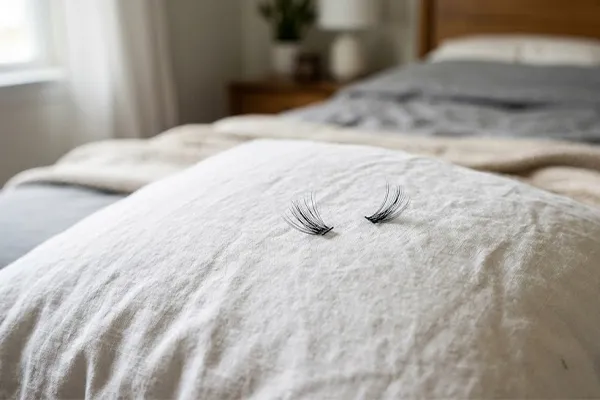
When you are sleeping with lash products on, the biggest problem is friction. The lashes rub against the pillow, the clusters bend, and the adhesive base takes stress. That can weaken the adhesive bond, reduce lash retention, and increase lash loss by morning. YLHT specifically warns that sleeping face-down and poor aftercare make clusters fall out sooner.
Pressure can also affect comfort. If one section folds while you sleep, you may wake up with uneven placement or even lash strands on the pillow. In worse cases, loose clusters can poke the eyelid margin or make you want to rub your eyes, which raises the risk of more fallout and irritation. That is one reason good cluster products use a flexible lash base and lighter fibers, so the lashes move better instead of fighting the eye during overnight wear.
A simple rule helps: the more pressure on your lashes, the more likely your lashes may fall, twist, or lose shape.
The best sleeping position is usually on your back. If you sleep on your back, there is less rubbing against the pillow, less distortion, and fewer chances for corners to lift. YLHT directly recommends back sleeping when possible for better longevity, and its retention guide also lists sleeping face-down as one of the habits that shorten wear.
A side sleeper can still make it work, but there is more contact risk. Sleeping on your side can flatten one eye more than the other. Sleeping on your stomach or stomach sleeping is usually the worst choice because it increases the risk of compression and crooked placement. If you cannot change position easily, a soft contoured sleep mask or a smoother pillowcase may help reduce drag. This is an inference based on the friction issue YLHT describes and general eye-makeup advice from AAO about avoiding pressure and removing eye cosmetics at night.
So if you want cluster lashes to stay put, the best position is the one with the least face contact.
Small nightly habits make a big difference. Sleeping habits affect how long cluster sets last because cluster wear is not just about glue. It is also about movement, skin oils, and whether the lashes remain clean and dry. YLHT says aftercare accounts for nearly half of retention success, and its guides repeatedly stress gentle cleansing, low oil exposure, and careful sleeping.
If you toss and turn, rub your eyes, or go to bed with wet lashes, the set may shift sooner. If you get them wet too early, the bond may not stabilize well. If you use heavy eye makeup removers around the base, the clusters may loosen faster. Good habits help keep your lashes aligned. Bad habits can lead to lash fallout.
That is why the smartest routine for DIY users is simple: keep the set dry at first, do not touch it too much, and reduce friction as much as possible.
The most effective care tips are easy to remember:
YLHT’s application guide says to use a thin bond layer, keep clusters off eyelid skin, and use safe remover for removal rather than pulling. Its benefits guide also says cluster lashes can last when users choose the right glue and remove them gently.
A good lash care routine also helps protect your lashes. You can gently brush them once they are fully dry. You can use a lash-safe cleanser around the eye area. You can switch to silk or satin pillowcases or at least smoother fabrics so the lashes glide with less drag. This is a practical inference from YLHT’s friction guidance and the goal of helping lashes to glide smoothly with less snagging.
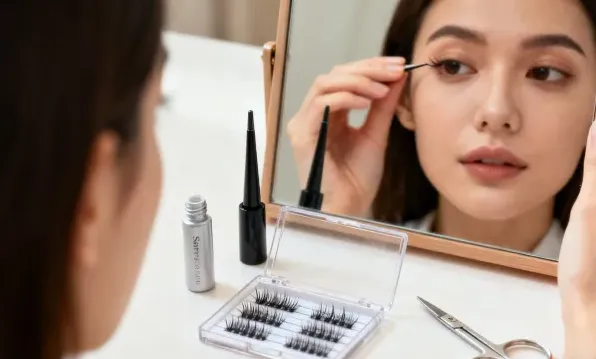
Some DIY lash users do sleep with DIY systems for short multi-day wear, but safety depends on product design and placement. If the product is sold as diy lash extensions or cluster wear for several days, the key is to keep the base light, away from the waterline, and secure without excess lash glue. YLHT’s guides emphasize keeping clusters off eyelid skin and using clean application habits.
Still, at-home use comes with more unknowns than professional lash extensions. YLHT notes that at-home lash kits can involve poor isolation, too much glue, and placement too close to the lash line, which may trap debris if users do not clean well. The AAO also cautions that eye-area cosmetic procedures need care because irritation and infection are possible when products are used poorly.
So yes, some people sleep with lash extensions or DIY clusters temporarily, but not every eye is a good match. Sensitive users, contact lens wearers, and anyone with previous reactions should be extra careful.
You should remove lash clusters before bed if they are lifting, poking, sticking together, or making your eyelids feel tight. You should also remove them if you used too much bond, got them wet too early, or notice redness or irritation. No beauty result is worth risking eye health. The FDA’s eye cosmetic safety guidance supports caution around lashes and adhesives because this area is especially sensitive.
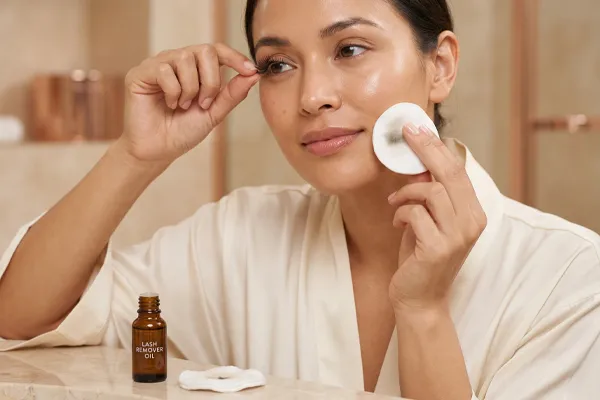
Removal should be gentle. Use a proper lash remover or the remover recommended for the system. Do not peel clusters without pulling only by force, because that can stress natural lashes. YLHT’s guides say safe removal matters and specifically warn users not to yank or pull off clusters.
If you want a reusable daily option instead of extended cluster wear, you can also consider strip lashes for easy removal and reapplication, or contact us if you are sourcing lash systems for wholesale or private-label sales.
Good morning care starts with not touching the lashes right away. First, check whether the clusters still feel aligned and comfortable. If one edge lifted overnight, do not yank it. Clean around the area carefully, then decide whether to reseal, refresh, or remove that section. YLHT’s retention guide recommends gentle cleansing and daily brushing for better wear.
When dry, gently brush your lashes to keep them aligned and free of tangles. Avoid heavy oils near the base. If the set still looks clean and secure, the lashes remain wearable. If not, take them off and start fresh. That is often better than forcing an unstable set to survive one more day.
A simple chart helps:
| Morning check | What to do |
|---|---|
| Lashes feel soft, dry, aligned | Brush lightly and continue wear |
| One segment is lifting | Remove or refresh that section |
| Lashes feel sticky or clumped | Clean gently and reassess |
| Redness or discomfort | Remove immediately |
| Many lashes fell overnight | Reapply fresh rather than patch badly |
For B2B buyers, the key is clarity. Do not market every cluster product as long wear if it is not built for that use. Beauty supply wholesalers, salons, academies, and influencer-led brands need clear positioning: daily wear, event wear, or short multi-day wear. YLHT’s product pages and news content already separate categories such as strip lashes, cluster lashes, and salon extension services, which is the right approach for reducing buyer confusion.
As a high-quality eyelash products manufacturer and exporter based in China, we see that the best-selling cluster products for repeat buyers usually share five traits:
That matters across your customer groups, from beauty wholesalers and brick-and-mortar retailers to professional lash studios, esthetician schools, bridal boutiques, and private-label beauty lines. If you want to build a safer, more useful product range, include cluster styles, daily removable options, aftercare tools, and direct product education in one system. Internal pages that help support buyer education include cluster lashes, cluster lashes vs strip lashes, and contact us.
Can you sleep with lash clusters for one night?
Yes, many users do, especially with short-wear bond-and-seal systems. But the lashes should be applied correctly, fully dry, and not lifting before bed. Friction and poor aftercare are the biggest problems.
Is sleeping with lash clusters bad for your natural lashes?
It can be if the clusters are too heavy, applied badly, or pulled off roughly. Gentle removal and low-friction sleep habits help reduce stress on natural lashes.
What is the best sleeping position with cluster lashes?
Back sleeping is usually best because it reduces contact with the pillow and lowers the chance of bent or loose lashes.
Can lash clusters last up to a week?
Some cluster systems can last up to a week with the right application and care, though wear time varies by adhesive, skin oils, and sleep habits. YLHT states cluster lashes can last 1 to 7 days.
Should I remove lash clusters every night?
Not always. Some are designed for daily removal, while others are made for short extended wear. If they feel loose, heavy, or irritating, remove them before bed.
Are magnetic lashes better for sleeping?
Usually no. Magnetic lashes are not generally designed for sleeping either, and anything loose near the eye during sleep can be uncomfortable or risky. Products meant for removal should still be removed. This is a cautious inference based on eye-area safety guidance and the fact that overnight friction is the main issue.
You can sometimes sleep with lash clusters, but only when the product and adhesive are suitable for short extended wear.
The biggest threats are friction, oil, moisture, and bad sleeping position.
Back sleeping is usually the safest option for overnight cluster wear.
If the lashes lift, poke, or irritate the eye, remove them instead of forcing another night.
Gentle cleansing, dry brushing, and a smoother pillowcase help support better wear.
Buyers should stock cluster products with clear care guidance and clear wear-positioning for their target customers.

 English
  Spanish
  German
  French
  Arabic