Si votre demande n'est pas traitée dans les plus brefs délais, veuillez indiquer votre adresse WhatsApp/Skype dans le message, afin que nous puissions vous contacter dès la première fois.
Nous vous répondrons dans les 24 heures. En cas d'urgence, veuillez ajouter WhatsApp/WeChat : ,. Ou appelez-nous directement.
Un mauvais travail sur les cils peut laisser les clientes avec des paupières douloureuses, une faible rétention et une réelle inquiétude quant à la perte des cils. Cette crainte s'accroît lorsque les extensions semblent lourdes ou tombent trop vite. La bonne nouvelle, c'est que les poses classiques sont généralement sûres lorsque le poids, l'isolation, l'adhésif et les soins après-vente sont correctement effectués.
Les extensions de cils classiques ne sont pas automatiquement mauvaises pour la santé. Dans la plupart des cas, elles n'endommagent pas vos cils naturels lorsqu'une extension est posée sur un cil naturel à une longueur et un poids sûrs. Les problèmes viennent généralement d'une mauvaise application, d'une pose trop lourde, d'une irritation due à l'adhésif, d'un manque d'hygiène ou d'un mauvais entretien, comme le fait de se frotter les yeux ou de s'emparer des extensions.
Qu'est-ce qu'une extension de cils classique ?
Les extensions de cils ruinent-elles vos cils naturels ?
Pourquoi certaines personnes disent-elles que les extensions de cils endommagent les cils naturels ?
Comment les extensions classiques sont-elles appliquées sur un cil naturel ?
Que se passe-t-il lorsque les extensions sont trop lourdes ?
La colle à cils ou l'adhésif peuvent-ils provoquer des irritations ?
Comment les cils poussent-ils et tombent-ils naturellement ?
Quand faire une pause dans les extensions de cils ?
Les extensions classiques sont-elles plus sûres que les kits de volume ou les faux cils ?
Que doivent rechercher les salons de coiffure, les marques et les grossistes dans les produits sûrs pour les cils ?
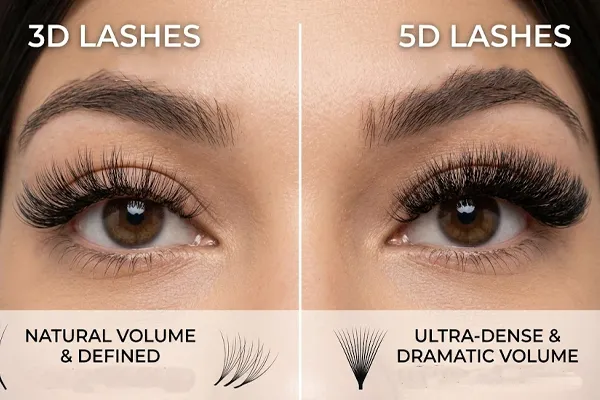
Un kit d'extension de cils classique signifie qu'une extension est attachée à un cil naturel. Cela fait des kits classiques le style le plus direct et le plus facile à comprendre dans le travail professionnel sur les cils. L'objectif est d'obtenir une définition nette, de la longueur et une ligne de cils soignée sans la densité des éventails de volume faits à la main. Le contenu éducatif et les pages produits d'YLHT décrivent extensions de cils Les articles axés sur la sécurité expliquent que les kits classiques sont souvent le point de départ pour les clientes qui souhaitent un résultat soigné mais pas trop dense.
C'est important parce que le design classique est construit autour de la retenue. Lorsqu'une technicienne en cils compétente choisit la bonne courbure, le bon diamètre et la bonne longueur, l'extension soutient le cil naturel au lieu de l'écraser. C'est également la raison pour laquelle de nombreuses marques et salons de coiffure commencent par des plateaux classiques avant de passer aux plateaux d'extension de cils. extensions de cils en volume ou hybrides. YLHT se positionne comme un fabricant et un exportateur d'extensions de cils et de produits connexes basés à Qingdao pour les acheteurs B2B mondiaux, y compris les salons, les détaillants en produits de beauté et les marques privées.
En général, non. Les extensions de cils n'abîment les cils que lorsque quelque chose ne va pas. L'Académie américaine d'ophtalmologie affirme que les extensions de cils peuvent être sûres si les consommatrices prennent des précautions, et la FDA déclare que les faux cils, les extensions et leurs adhésifs sont des cosmétiques qui doivent être utilisés avec précaution car les paupières sont délicates et peuvent réagir à une irritation ou à une allergie. L'article du YLHT sur les extensions va dans le même sens : un professionnel formé qui isole correctement n'abîmera pas automatiquement les cils de sa cliente.
La question à se poser n'est donc pas “Les extensions abîment-elles les cils ?” mais “Qu'est-ce qui les abîme ?” Une bonne technique, un poids correct, des outils propres et des soins après-vente sûrs signifient généralement que les kits classiques n'abîmeront pas vos cils. Les problèmes sont plus fréquents lorsque les extensions sont collées en paquets, lorsqu'un cil est attaché à plusieurs cils existants, ou lorsque la cliente tire ou pique le kit.
Car c'est parfois le cas. Si les extensions sont trop lourdes, si l'adhésif est mal utilisé ou si plusieurs cils sont collés ensemble, l'ensemble peut tirer pendant le cycle normal de la mue. L'article de YLHT sur les coûts et les bénéfices indique spécifiquement qu'une mauvaise isolation peut coller une extension à plusieurs cils naturels, et que lorsque l'un d'entre eux tombe, il peut entraîner les autres avec lui. C'est le genre d'erreur qui fait dire aux clientes que les extensions endommagent leurs cils naturels ou que les extensions de cils abîment les cils.“
Il existe également des risques pour la surface des yeux. La littérature médicale publiée a établi un lien entre les extensions de cils et la colle pour extensions et des problèmes tels que la blépharite allergique, l'irritation, la kératoconjonctivite, les symptômes de sécheresse oculaire et l'inconfort des paupières chez certaines utilisatrices. Cela ne signifie pas que tous les kits sont dangereux. Cela signifie que la zone des yeux est sensible et que des matériaux de mauvaise qualité ou une mauvaise hygiène peuvent transformer un service de beauté en un problème oculaire.
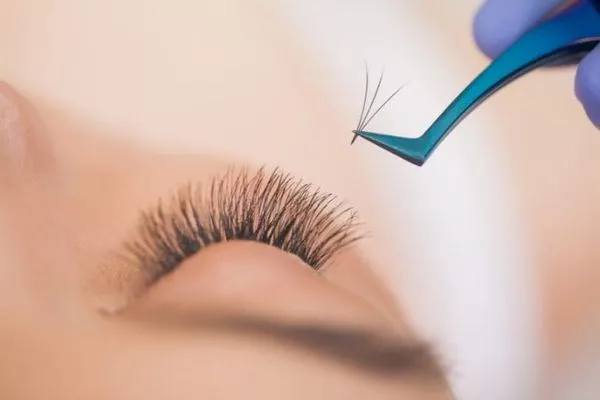
Un kit classique est simple en théorie et détaillé en pratique. Les extensions sont posées une à une et chaque fibre est collée à vos cils naturels individuellement plutôt que groupée. L'extension doit reposer sur la tige du cil, et non sur la peau, et ne doit pas être attachée aux cils voisins. C'est la raison pour laquelle un bon artiste ou technicien des cils consacre autant de temps à l'isolation.
La règle d'application la plus importante est l'équilibre. Le diamètre, la longueur et la courbure doivent correspondre à la santé de vos cils naturels. L'article de YLHT sur avantages des extensions de cils et son guide des volumes soulignent tous deux que le set le plus sûr est celui qui est choisi pour le vrai cil, et pas seulement pour la photo à la mode. En bref, le travail classique sûr est moins une question de glamour que d'adéquation.
C'est là que commencent de nombreux problèmes. Si les extensions de cils sont trop lourdes, le cil naturel doit supporter une charge plus importante qu'il ne le devrait. Cette traction supplémentaire peut entraîner une torsion, un affaissement, une chute précoce ou une douleur du cil. Au fil du temps, l'excès de poids répété peut entraîner une cassure des cils, une perte visible des cils ou, du moins, l'impression que les cils naturels de la cliente paraissent plus fins une fois l'extension enlevée.
Les kits classiques sont souvent plus sûrs que les volumes mal conçus, car le calcul est plus simple : une extension, un cil. Mais même un cil classique peut être trop long ou trop épais. C'est pourquoi il ne faut jamais confondre “classique” et “automatiquement sûr”. Le poids a toujours son importance. Une extension courte et fine se comporte généralement très différemment d'une extension longue et dense placée sur un cil naturel faible.
Oui. La FDA indique que les paupières sont délicates et que les adhésifs pour faux cils et extensions peuvent provoquer des réactions allergiques, des irritations ou d'autres lésions dans la région de l'œil. L'AAO avertit également les utilisateurs de se protéger et d'être prudents avec les produits chimiques placés près de l'œil.
Cela ne signifie pas que tous les adhésifs pour cils sont mauvais. Cela signifie que la connaissance des ingrédients et la manipulation professionnelle sont importantes. Si une cliente a les yeux sensibles, des antécédents de réactions ou des rougeurs après l'application, le problème peut venir de la colle, des fumées ou de l'exposition générale plutôt que de la fibre d'extension elle-même. Des recherches ont également montré que certaines colles à cils peuvent libérer du formaldéhyde, qui peut contribuer à une dermatite de contact allergique chez les personnes sensibles.
De nombreuses clientes pensent que les extensions “font tomber les cils”, mais les cils suivent déjà un cycle de chute normal. L'AAO explique que les cils protègent l'œil et que, comme les autres poils, ils tombent et repoussent au fil du temps. L'article sur les extensions du YLHT précise également qu'une application compétente ne doit pas interrompre le cycle normal. Au contraire, les extensions suivent ce cycle en même temps que les cils auxquels elles sont attachées.
C'est pourquoi les clientes paniquent souvent après la dépose. Une fois les extensions enlevées, les yeux peuvent paraître plus petits et les vrais cils peuvent sembler plus clairsemés, même si le follicule des cils est toujours en bon état et que le cycle naturel se poursuit. Dans de nombreux cas, les cils ne sont pas abîmés. Ils ont juste l'air moins spectaculaires parce que la longueur supplémentaire a disparu. Toutefois, en cas de forte traction, d'irritation ou de mauvais retrait, vos cils naturels peuvent être réellement endommagés.
Une pause dans la pose d'extensions de cils peut s'avérer judicieuse lorsque les cils se sentent affaiblis, lorsque la rétention devient insuffisante ou lorsque les paupières sont irritées. Le guide des cils dramatiques du YLHT mentionne des évaluations régulières de la santé des cils et des pauses entre les cycles d'application si nécessaire. Il s'agit d'une règle pratique et adaptée au salon : surveiller l'état des cils de la cliente, et pas seulement le calendrier des réservations.
Une courte pause peut également s'avérer utile si le client s'est trop coiffé, a utilisé trop de produit ou s'est frotté les yeux. La meilleure façon d'aider vos cils à repousser n'est pas d'utiliser un sérum magique par défaut. Il s'agit d'abord d'éliminer le facteur de stress, de laisser les cils tomber et repousser selon leur cycle normal, et de garder la zone de la paupière propre. Une bonne technicienne doit être prête à dire “pas aujourd'hui” lorsque la base des cils semble surmenée.
Souvent, oui, mais seulement lorsqu'il est bien fait. Un véritable set classique est plus facile à contrôler car il utilise une fibre par cil. Le volume peut également être sûr, mais la marge d'erreur est plus étroite car plusieurs fibres fines sont utilisées sur un cil naturel, le poids et la conception de l'éventail ont donc plus d'importance. Le guide du volume de YLHT indique qu'un volume sûr dépend de l'utilisation de fibres fines et du choix d'une taille d'éventail que le cil naturel peut supporter.
Par rapport à faux cils, Les extensions de salon classiques, quant à elles, suppriment l'étape quotidienne de collage et de décollage des bandes. Mais les cils en bandes peuvent encore être le meilleur choix pour certaines utilisatrices, en particulier celles qui ne veulent pas d'entretien à long terme ou qui préfèrent appliquer des faux cils uniquement pour des occasions spéciales. L'option la plus sûre est celle qui correspond aux habitudes de la cliente, à la sensibilité de ses yeux et à sa routine de soins.
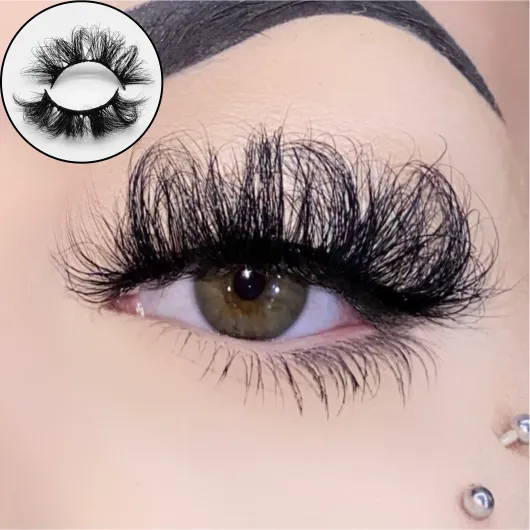
Pour les acheteurs B2B, la “sécurité” n'est pas seulement un mot marketing. C'est une question de qualité de produit et de service. Les salons ont besoin de fibres cohérentes, d'une colle fiable, d'un emballage propre et de conseils d'application pour une utilisation correcte. Les marques de produits de beauté ont besoin d'une fabrication traçable et d'un positionnement clair pour que leurs clients comprennent à quoi sert le produit. YLHT se présente comme un fabricant et un exportateur avec des capacités OEM/ODM, des outils pour les cils, des produits d'extension et un soutien direct pour les acheteurs internationaux.
Une liste de contrôle intelligente comprend
| Ce qu'il faut vérifier | Pourquoi c'est important |
|---|---|
| Consistance des fibres | aide à contrôler le poids et la rétention |
| Compatibilité avec les adhésifs | réduit les problèmes de service évitables |
| Étiquetage clair | favorise une utilisation professionnelle sûre |
| Hygiène et emballage | protège la qualité des produits |
| Soutien à la formation | aide le technicien à appliquer correctement les cils |
| Communication fiable avec les fournisseurs | aide à résoudre rapidement les problèmes |
C'est également la raison pour laquelle des pages B2B solides ne doivent pas se contenter de vendre des produits. Elles doivent favoriser une utilisation sûre, des attentes réalistes et la confiance de l'acheteur. Si vous avez besoin de détails sur les produits, d'une assistance OEM/ODM ou d'une aide à la vente en gros, vous pouvez nous contacter directement.
Les extensions de cils classiques endommagent-elles vos cils naturels ?
En général, non, s'ils sont appliqués correctement. Les risques les plus importants proviennent d'une mauvaise isolation, d'un poids élevé, de réactions à l'adhésif ou d'une mauvaise dépose et d'un mauvais suivi.
Les extensions de cils peuvent-elles abîmer vos cils de façon permanente ?
La perte permanente de cils n'est pas le résultat normal d'une bonne pose. Mais une traction répétée, une irritation chronique ou un retrait incorrect peuvent causer des problèmes plus graves qu'une chute normale.
Les extensions de cils sont-elles sans danger pour les yeux sensibles ?
C'est possible, mais les yeux sensibles doivent faire l'objet d'une attention particulière. Les adhésifs et les fumées peuvent irriter les paupières délicates, et les personnes ayant déjà eu des réactions doivent être particulièrement prudentes.
Dois-je faire une pause avec les extensions de cils ?
Parfois. Si la rétention est mauvaise, si les cils semblent faibles ou si les paupières sont irritées, il peut être judicieux de faire une courte pause et de procéder à un bilan de santé des cils.
Les cils classiques sont-ils plus sûrs que les cils volumineux ?
Les cils classiques sont souvent plus faciles à équilibrer car il y a une extension par cil naturel. Le volume peut toujours être sûr, mais seulement si le diamètre des fibres, la taille de l'éventail et le poids total sont choisis correctement.
Quel est le moyen le plus sûr de préserver la beauté des extensions de cils ?
Choisissez une technicienne compétente, évitez de vous piquer, gardez les cils propres et n'ignorez pas les irritations. Une bonne application et un bon entretien vont de pair.
Les extensions classiques ne sont pas automatiquement nuisibles.
La plupart des problèmes proviennent d'une mauvaise application, d'un poids excessif ou d'un mauvais entretien.
Les adhésifs peuvent irriter le contour des yeux, d'où l'importance de connaître les ingrédients.
Les cils naturels perdent déjà leurs poils et repoussent dans le cadre d'un cycle normal.
Une pause peut s'avérer utile lorsque la santé des cils commence à se dégrader.
Pour les marques et les salons, la sécurité des activités liées aux cils commence par des choix de produits sûrs, une formation claire et des conseils réalistes aux clients.

 French
  English
  Spanish
  German
  Arabic